Tencent's WeChat AI Agent — Why China Has a Structural Edge in Practical AI
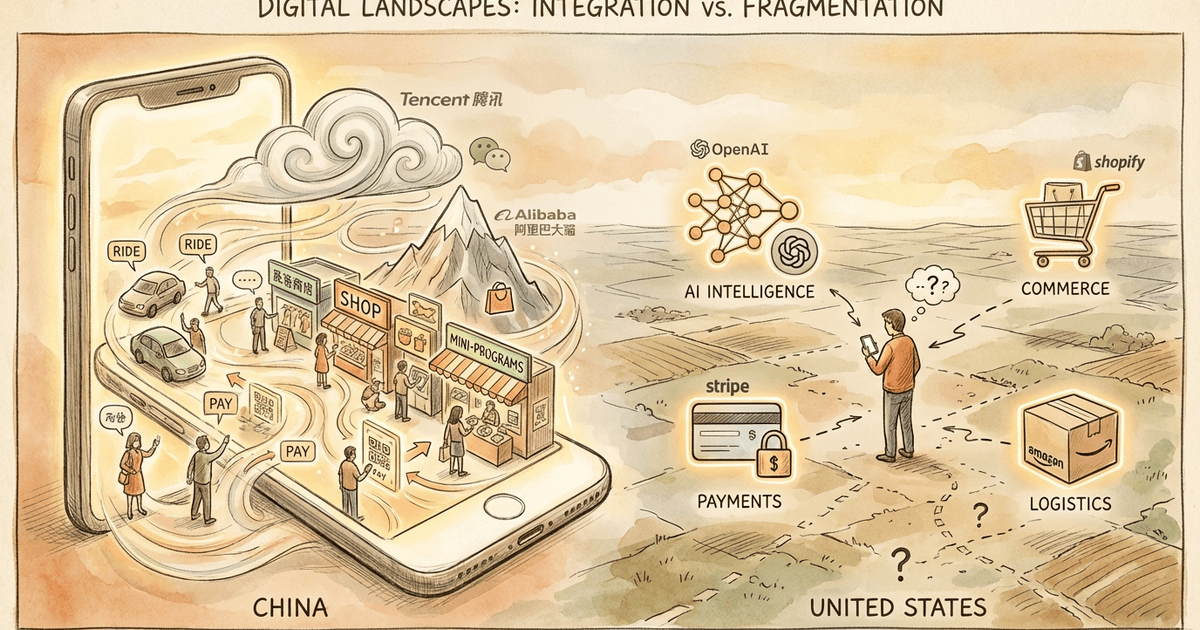
Tencent is building an AI agent inside WeChat, connecting it to payments, shopping, and ride-hailing. This is hard for OpenAI to replicate in the US.
Blog
Tencent is building an AI agent inside WeChat, connecting it to payments, shopping, and ride-hailing. This is hard for OpenAI to replicate in the US.
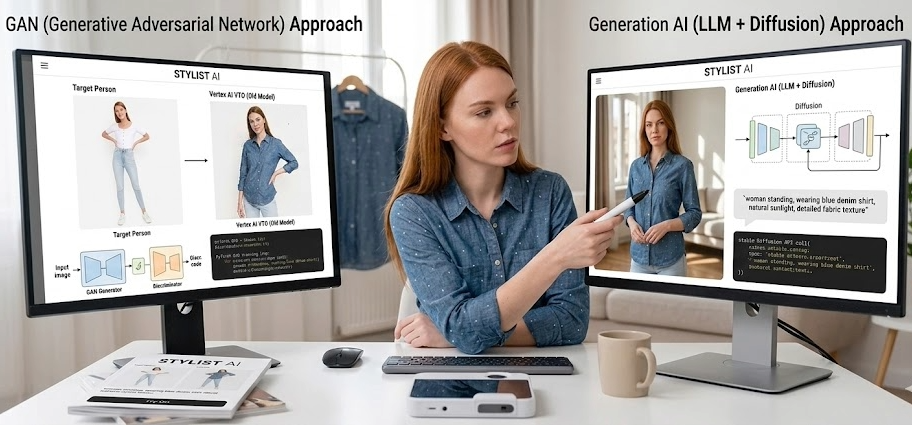
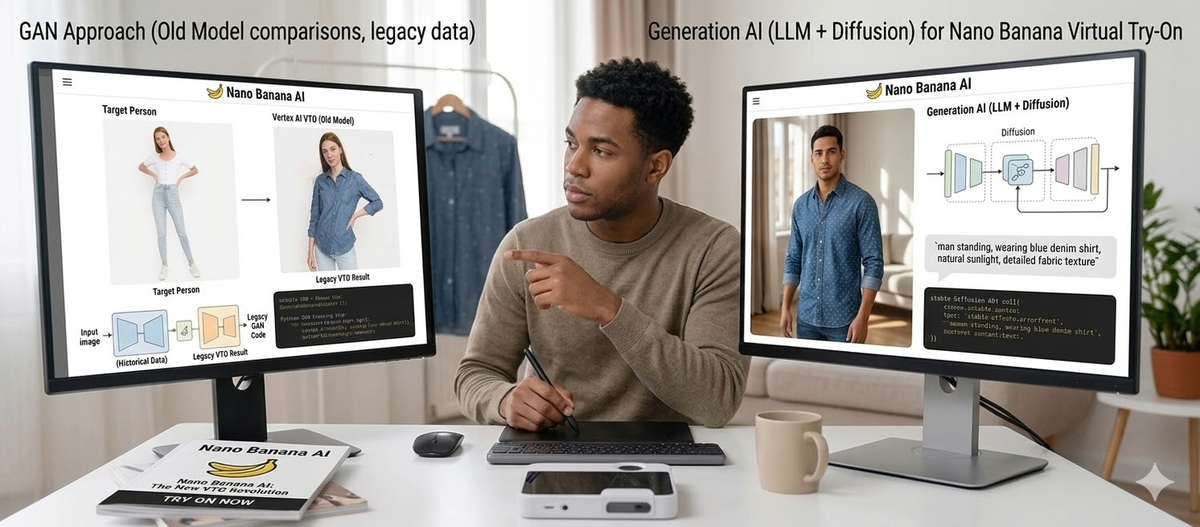
Google proved that generative AI can do virtual try-on. Could the same approach replace our entire GAN pipeline? This is the story of migrating from PASTA-GAN++ to Gemini and Vertex AI — simplifying a multi-stage GPU pipeline into a single API call.
Systematic testing of Gemini's image generation for virtual try-on across three phases: noisy inputs, clean images, and high-resolution action poses. The key finding: resolution matters more than any preprocessing pipeline.
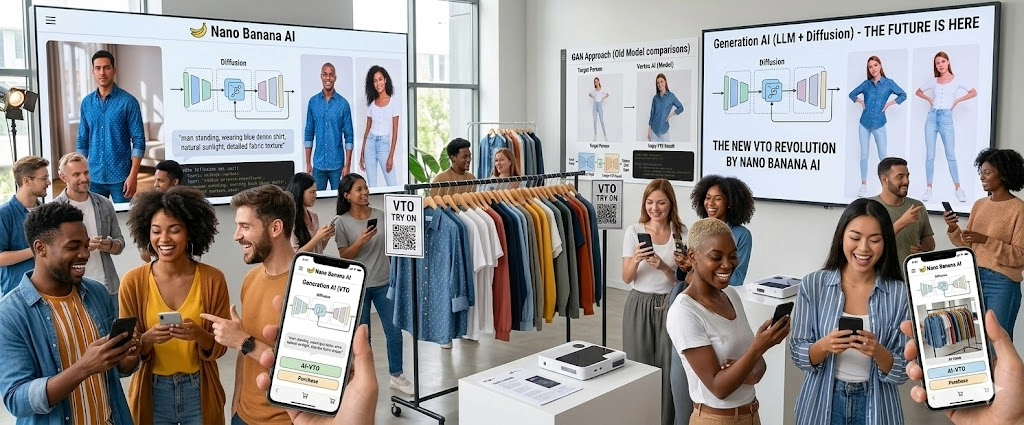
A head-to-head comparison of three generations of virtual try-on technology across 12 test cases. The results reveal not just incremental improvement, but a generational leap — especially in body diversity, where GANs fundamentally failed.
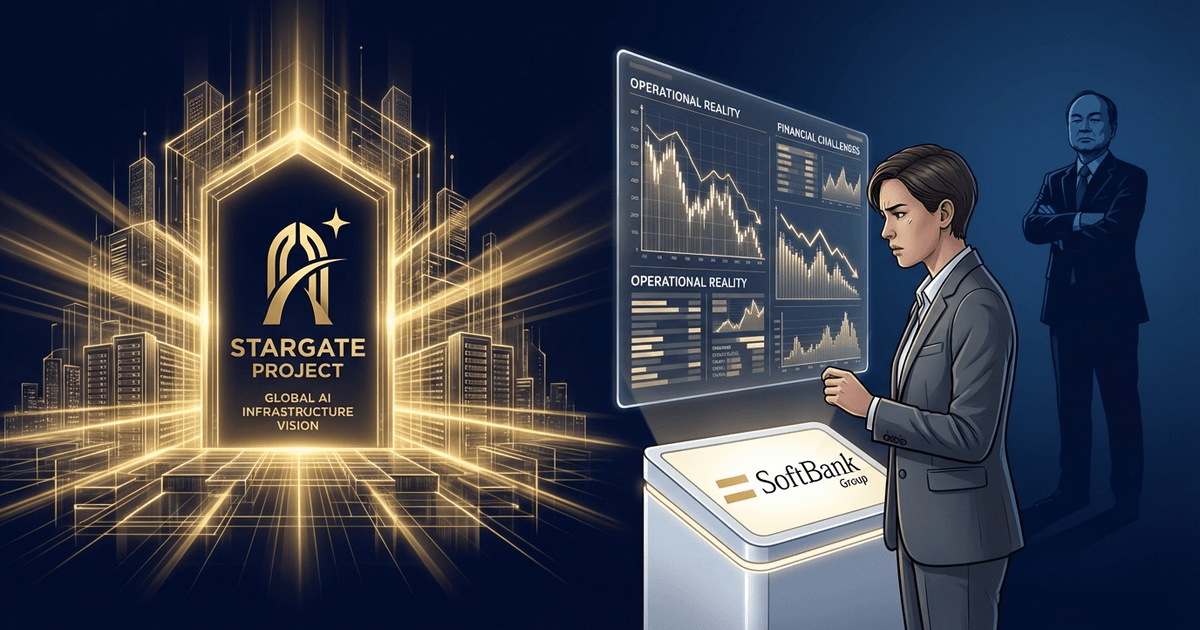
The Abilene expansion pullback, SoftBank's massive bridge loan, and investor caution around OpenAI's IPO. An analysis of how the grand Stargate AI infrastructure vision is now facing the realities of execution and financing.
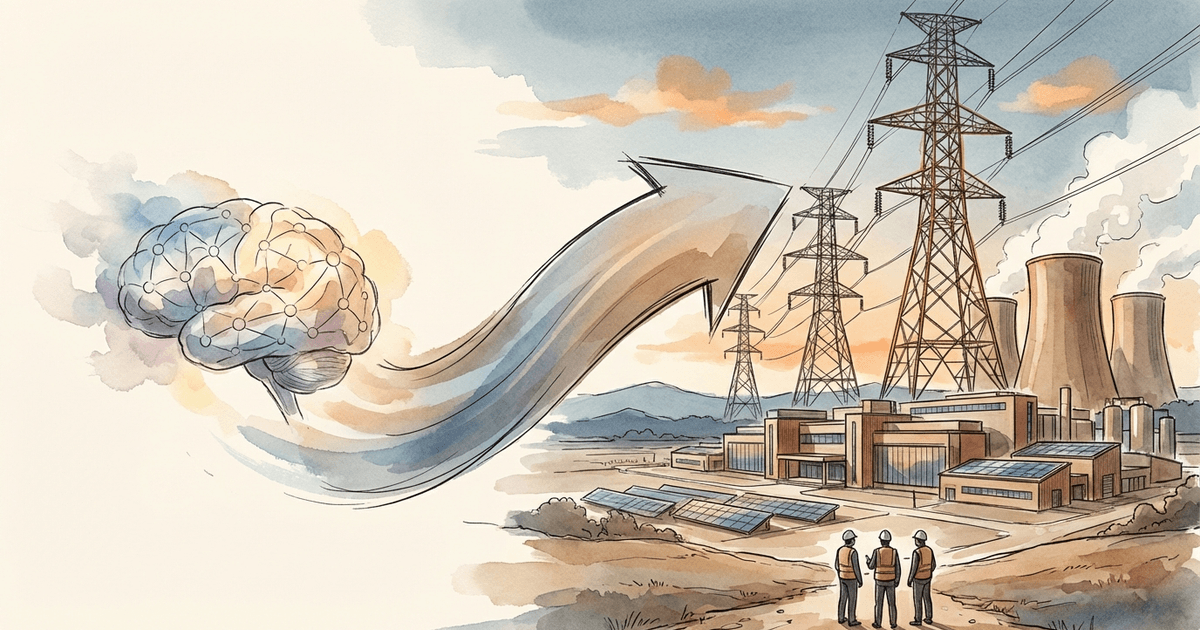
The focus of AI competition is moving from model performance to data center infrastructure constraints — power grids, cooling, land, and permitting. An analysis based on public sources.
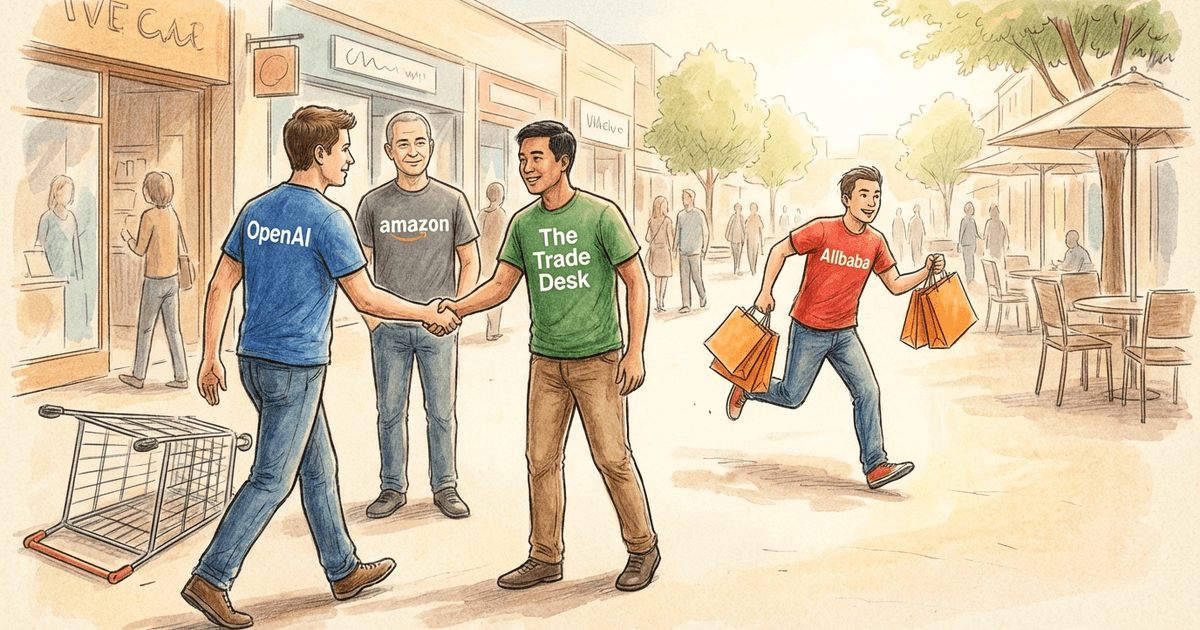
Examining OpenAI's pivot from in-chat checkout to advertising, Amazon's position as both investor and competitor, and Alibaba's vertical integration advantage in AI commerce.
Analyzing how Amazon's chatbot ad infrastructure play, Pinterest's revenue pressure, and Elliott's activist investment may connect along a single strategic axis.
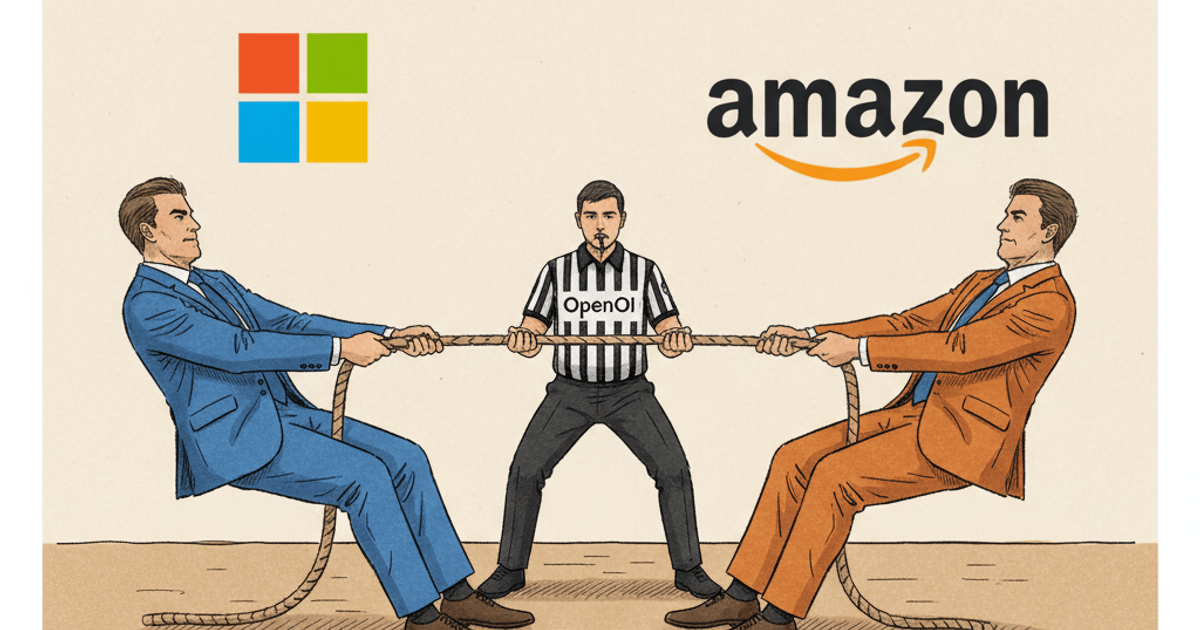
Analyzing the strategic positioning of Microsoft (Azure) and Amazon (AWS) around OpenAI's API ecosystem, and the emerging contest for AI agent infrastructure dominance.